Home
Weather Dublin
WeatherRadar
RainfallRadar
TemperatureRadar
WindRadar
LightningRadar
Weather News
Editor's Pick
Discover the app
Weather widget
Contact us
Apps
Home / Editor's Pick /

How do we measure pollen?

Hay fever
How do we measure pollen?

tree pollen

Every summer, one topic that is never far from any conversation is that of pollen and hay fever. But ever wonder how a pollen forecast is made?

Fear not, there is no need to head outside and begin counting each minuscule speck of pollen as it wafts through the air. Instead, a tool called a ‘rotorod’ is used.

This device is designed to measure pollen and fungus spores in the air. Essentially, coated clear rods are placed in a field, encased within a small structure to protect it from weather, and checked every day to see how much pollen is stuck to it.

From this number we can determine the units of pollen per cubic metre of air and from there, place a pollen level in that area to inform hay fever sufferers of the day’s hazards.

Because of the method used, it is not possible to be 100% accurate for pollen levels in every region, but we can uncover a trend for your area.

With recent heatwaves, you may find that your hay fever is a little less severe. While warm, breezy days result in more pollen, temperatures over 28°C can actually reduce the amount and long periods of heat can halt the release of pollen altogether.

Pollen seasons changing with climateread more

If you are heading out to make the most of the sunshine, be sure to check the pollen count in the Weather & Radar app.

Ryan Hathaway
This might also interest you
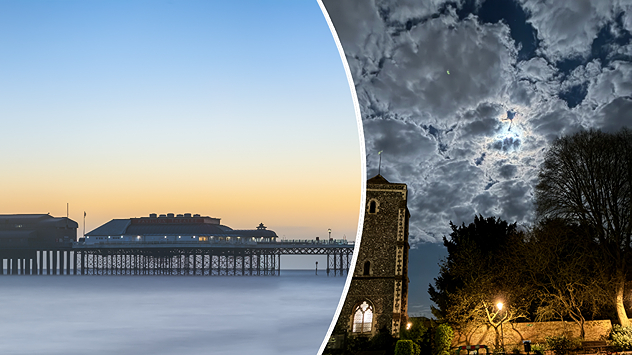
Split image with Cromer Pier at sunset on the left in soft orange-blue tones and a moonlit Canterbury church with dramatic clouds on the right, lit by a streetlamp.
Sunday 5 April 2026

Your weather - Your shots

Spring captured after the clock change
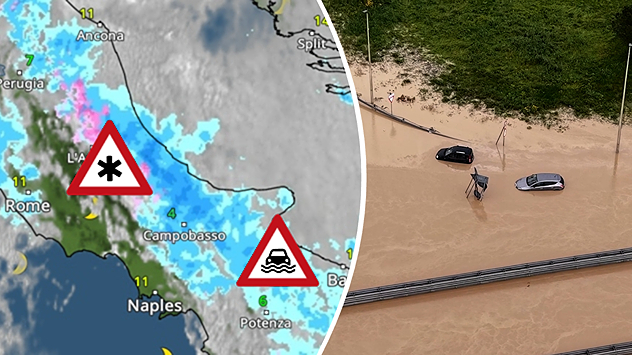
On the left, the weather radar for Italy showing heavy rain; on the right, a flooded road
Thursday 2 April 2026

Severe weather in Italy

Flooding and heavy snowfall
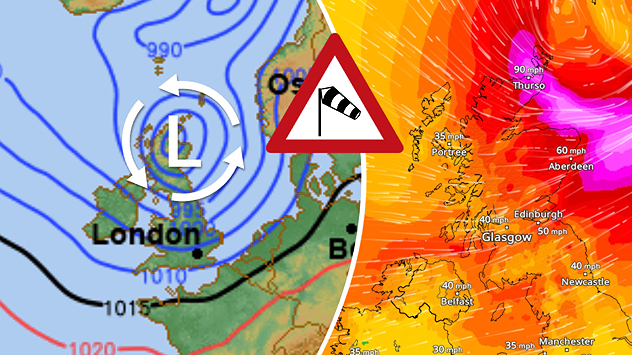
Split weather graphic showing a low-pressure system with tight isobars over the UK on the left and a wind map on the right with strong gusts up to 90 mph, plus a windsock warning icon.
Thursday 2 April 2026

Gales and blizzards

Storm Dave disrupts Easter weekend
All articles
Weather & Radar

Weather & Radar is also available on

Google Play StoreApp Store

Company

Contact us Privacy Policy Legal info Accessibility statement

Services

Uploader

Socials

facebooktwitteryouTubelinkList